As the government’s Economic Reform Roundtable continues today with Housing Productivity high on the agenda, Solar Citizens warns against freezing the next installment of the National Construction Code (NCC). It would risk locking out future building residents - especially those living in apartments and renters - from the cost-of-living benefits of energy efficient, future-proofed homes.
Solar Citizens CEO Heidi Lee Douglas says:
“If the NCC update is put on hold, the cost to consumers will be higher energy bills, poorer health outcomes, and a need for expensive retrofits in the near future - not to mention the huge missed opportunity for emissions reduction.
“The Albanese Government has set an ambitious goal of building 1.2 million new homes by 2030 in response to the housing crisis, which includes many apartments and build-to-rent developments.
“The draft 2025 National Construction Code outlines new energy efficiency requirements for apartment buildings including rooftop solar, EV charging, and features to facilitate future electrification and battery installs. However the 2025 National Construction Code release has already been delayed since May this year.
“At the “Economic Reform Roundtable” in Canberra a freeze to the National Construction Code has been suggested.
“But we urge State and Federal Housing Ministers to take responsibility to ensure new homes are resilient to the impacts of climate change and are future proofed, with rooftop solar, EV charging, and efficient, electric appliances.
“Millions of renters and apartment residents are already locked out of the cost of living benefits of clean energy and efficient, electric homes because retrofitting for clean energy is harder than putting it in from the start.
“New developments in Sydney prove that there is minimal cost to build to higher energy efficiency standards, and strong cost of living gains for residents.
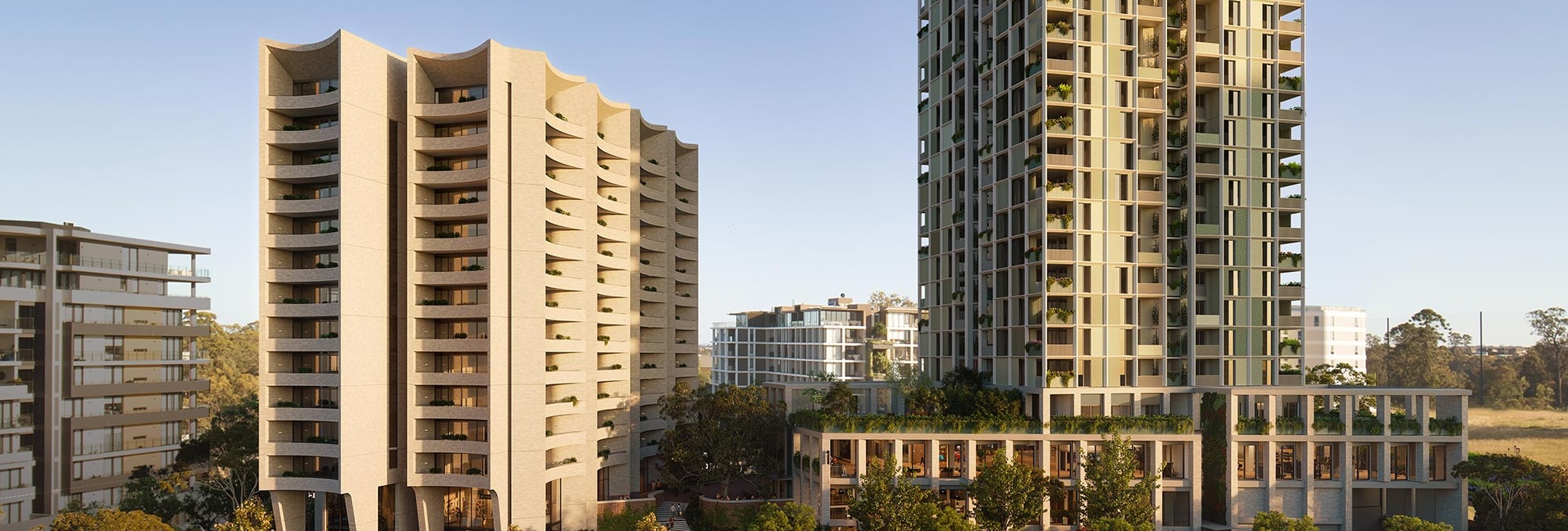
“For example, the developers behind Norwest Quarter, a new high-rise apartment precinct in Sydney running on 100% renewable electricity, reported that installing rooftop solar, EV chargers, and efficient electric appliances added less than 1% to the $200 million construction cost and had negligible impact on construction or approval timelines, if any.
“These zero-carbon homes deliver huge benefits to residents. These units will use 50% less energy and 20% less water than a typical apartment. The average household will spend 30% less per year on bills.*
“Pausing the National Construction Code for five years until 2030 will mean between 2 and 3 million people - or about 11% of future Australian households, will miss out on these cost-of-living savings.
“Let’s not mismanage this once in a generation opportunity to make sure all new homes are both energy efficient and cost effective.”
* Includes electricity and water bills, strata fees (due to whole-of-building lower energy and water bills), and the cost of home EV charging (compared to charging in public).